State Regulations Driving Transitions Between Poker Tables and Lottery Systems
Written by Zoe Bennett · Oct 15, 2026
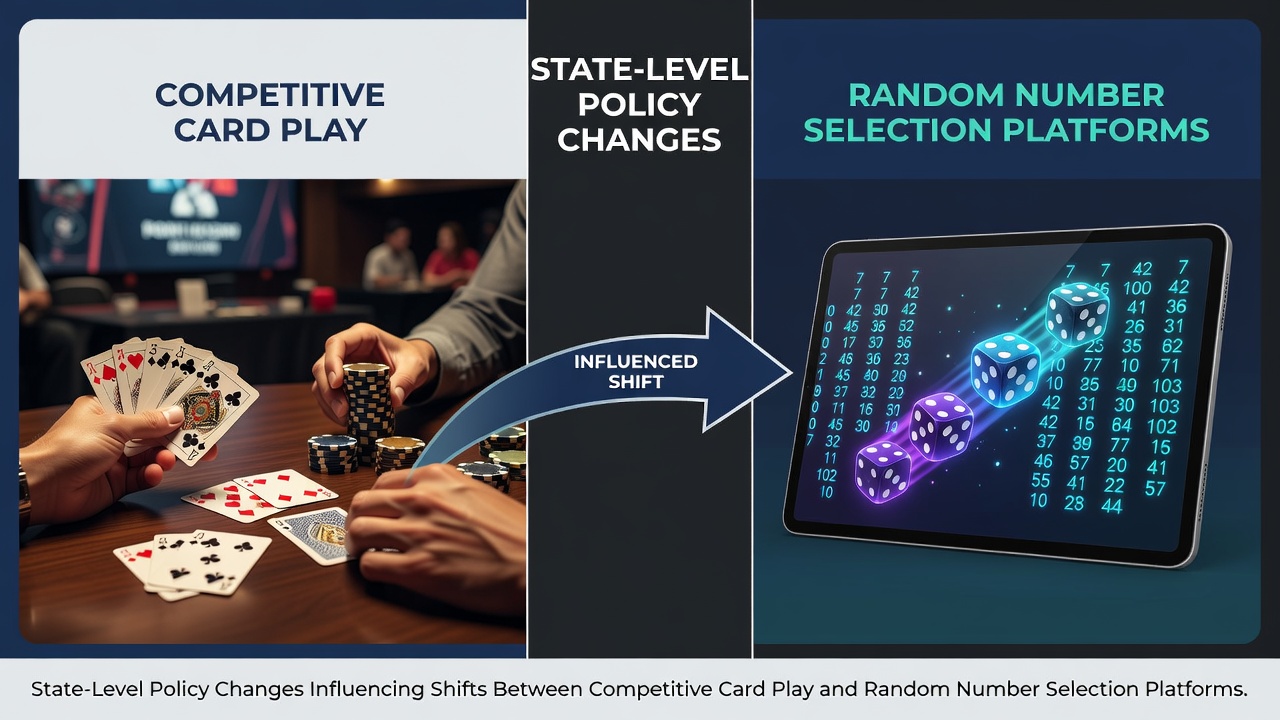
State Regulations Driving Transitions Between Poker Tables and Lottery Systems
State governments across the country have rolled out targeted tax structures and licensing rules that directly affect how operators run competitive card play alongside random number selection platforms, and data from recent fiscal periods shows measurable movement in player activity as a result. These adjustments often take the form of higher fees on skill-based formats while RNG-driven options receive different treatment under the same budgets, creating measurable differences in platform availability and marketing focus.
Recent Legislative Patterns Across Multiple States
During 2026 several legislatures introduced or expanded levies that distinguish between table-based card competitions and automated number generation systems, with effective dates clustered around the start of the new fiscal year. Observers note that these measures frequently bundle daily fantasy sports and prediction markets into the same regulatory bucket as traditional poker rooms, whereas lottery and certain slot-style products fall under separate revenue streams with their own compliance paths. The result is that operators have adjusted their product portfolios in response to the cost differences, and transaction records indicate corresponding changes in how users allocate time and deposits between the two categories.
One pattern that stands out involves the timing of these rules, as October 2026 saw several states finalize reporting requirements that separated card-play revenue from RNG-based intake for the first time. This separation allows regulators to track shifts more precisely, and early filings reveal that some markets experienced a noticeable uptick in lottery-style participation once the new fee schedules took hold.
Player Movement and Platform Adjustments
Research indicates that when states raise the cost of maintaining live or online card rooms, operators respond by emphasizing RNG alternatives that carry lower marginal expenses under the revised rules. Those who have studied transaction histories point to increased registration flows from poker platforms into lottery and bingo applications during the months following policy implementation. The movement appears driven by availability rather than preference alone, because promotional budgets and bonus structures often follow the lower-tax categories.
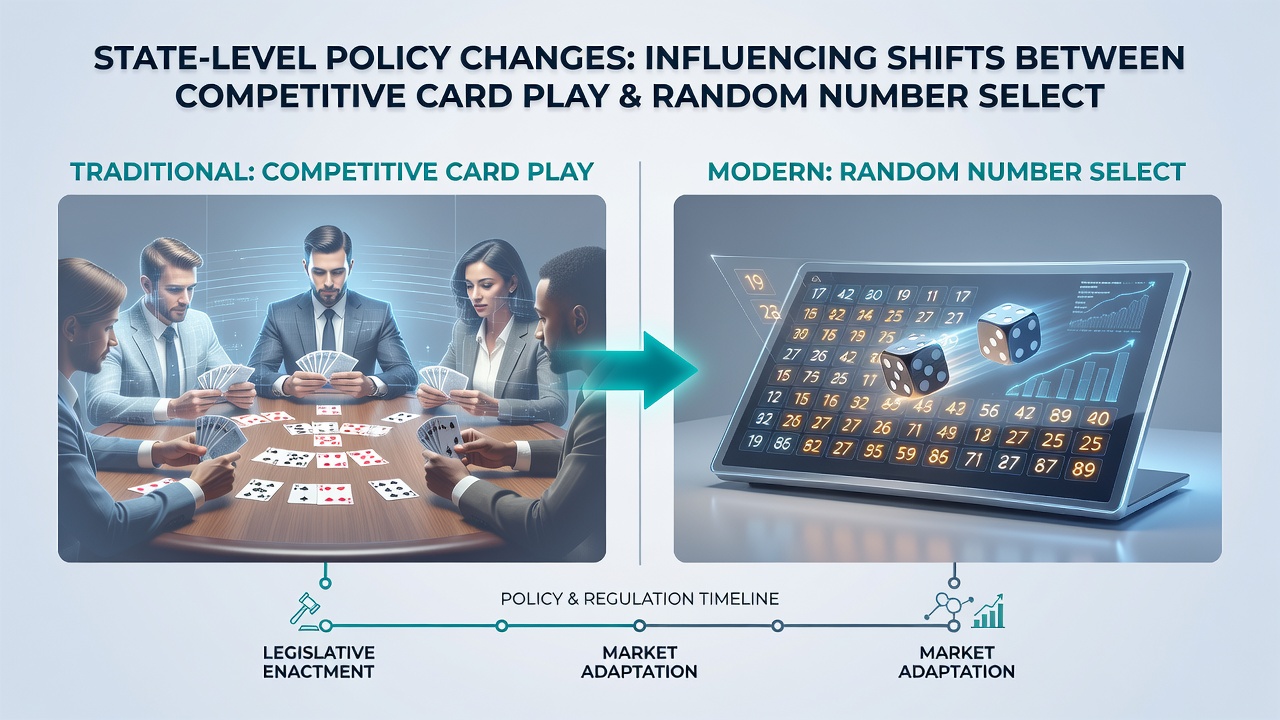
Case examples from different regions illustrate the same dynamic. In one midwestern state, new per-hand fees on competitive card events coincided with expanded advertising for state-run number selection games, and deposit pattern data shows users migrating toward the latter within a single quarter. A western state took a different route by tightening daily fantasy licensing while leaving lottery mobile channels under existing frameworks, and analysts tracking account activity recorded parallel changes in engagement levels.
Data Sources and Measurement Approaches
Figures compiled by the American Gaming Association track overall commercial gaming revenue but do not yet isolate the card-to-RNG split at the state level; however, individual gaming control boards have begun publishing more granular breakdowns that allow such comparisons. A separate line of inquiry from the University of Nevada's International Gaming Institute examines how payment method preferences evolve when regulatory costs change, and preliminary cross-state comparisons suggest that mobile wallet usage rises faster on RNG platforms once card-room fees increase.
These measurement efforts rely on anonymized transaction logs rather than surveys, which reduces self-reporting bias and gives a clearer picture of actual behavior. Because the policy changes are still recent, longer-term trend lines remain under construction, yet the initial data sets already show consistent directional movement across jurisdictions that adopted similar tax language.
Cross-Border and Multi-Platform Effects
States that border one another sometimes see spillover when one jurisdiction tightens card-play rules while the neighbor maintains lighter oversight. Users with access to multiple platforms can shift activity without leaving their home region, and banking records reflect these choices through changes in deposit timing and size. The same dynamic appears when operators introduce unified reward programs that credit both card and RNG play, although the incentive structures tend to favor the lower-cost category after policy updates take effect.
Conclusion
State-level policy adjustments continue to influence how participation distributes between competitive card play and random number selection platforms, with measurable effects visible in revenue reports and user activity logs through late 2026. Continued monitoring by regulatory bodies and research institutions will clarify whether these shifts stabilize or accelerate as additional jurisdictions refine their approaches.